PARTNER STORY CASE STUDY
Opening the Door to Possibility
BACKGROUND
When South Bend City Church renovated a historic downtown building, leaders intentionally designed the facility to host weekday community programs rather than letting it sit empty outside of Sunday services. The church joined forces with the Boys & Girls Club of Northwest Indiana to establish the area’s first central downtown youth site. This shared space now serves over 110 children annually through year-round after-school and summer learning programs, giving local families—including those residing in nearby shelters—accessible academic support and mentorship. Ultimately, the case study demonstrates how churches can leverage their physical facilities to empower established nonprofits and strengthen the broader community.
GRANT OBJECTIVES
- Establish Downtown Youth Presence
- Expand Access to Academic Support
- Improve Core Student Proficiency
- Serve Vulnerable & Local Families
- Demonstrate Shared-Space Partnership
How We Serve
When South Bend City Church purchased and renovated the historic South Bend Tribune Press building in downtown South Bend, leaders were not simply creating a new place to worship. They were asking a bigger question: What if a church building could serve the community every day of the week, not just on Sundays? That vision shaped every decision that followed.
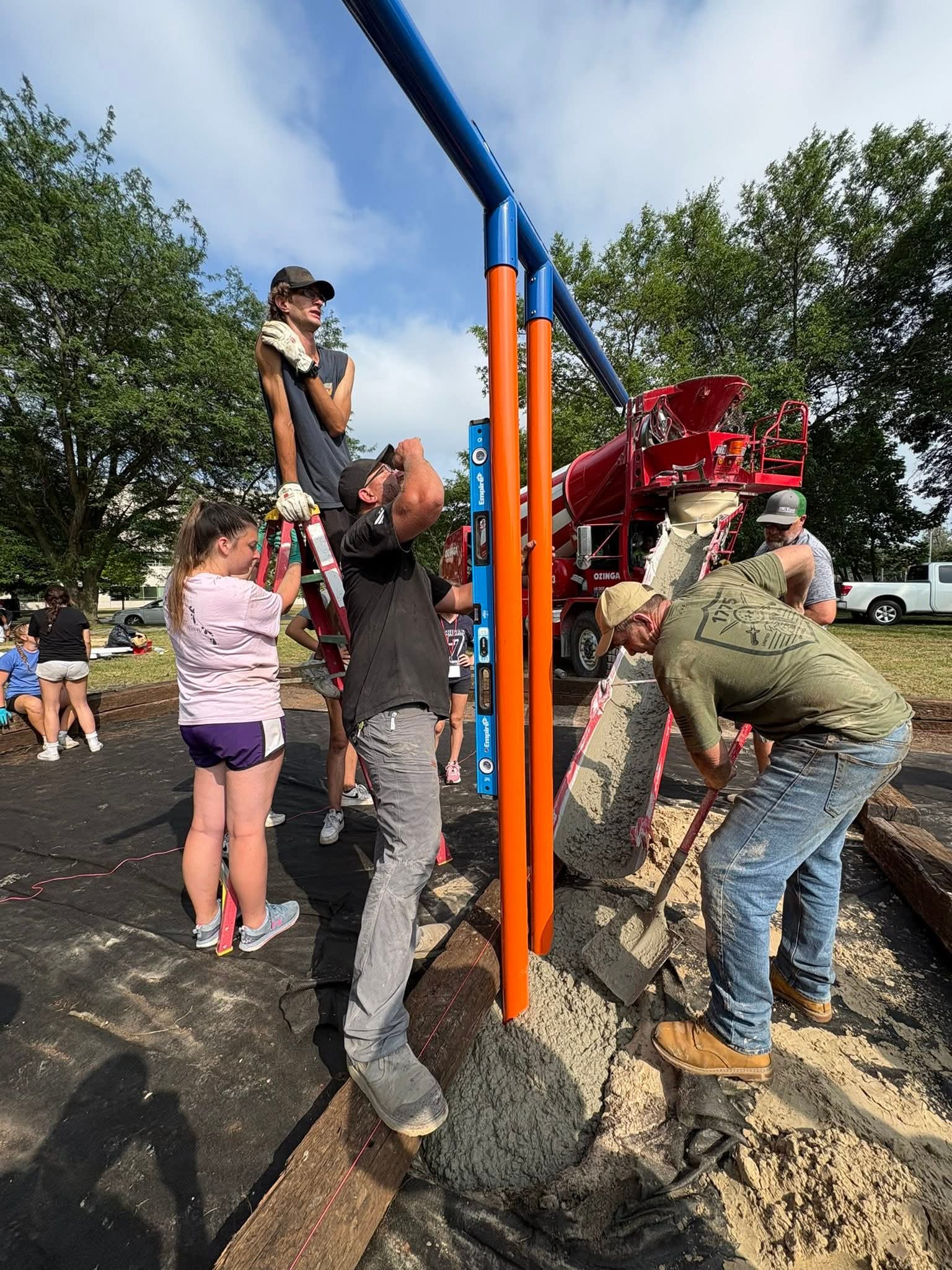
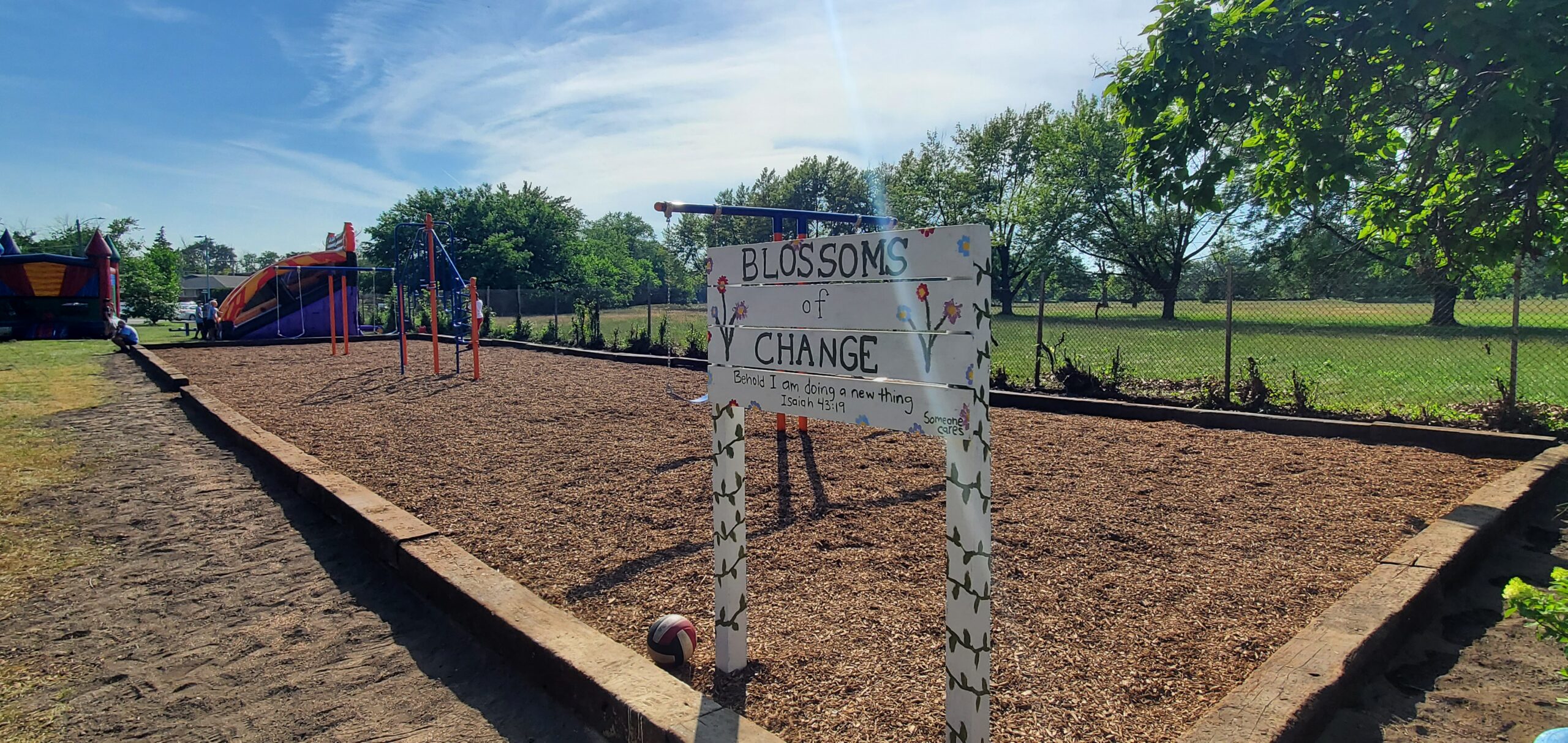
Long before they knew who they would partner with, church leaders intentionally designed the building with families in mind. In fact, they adjusted their architectural plans to include a playground because they believed children would one day fill the space.
“We weren’t planning on having a little playground area,” said Matt Graybill, Executive Pastor of South Bend City Church. “But we knew that with early childhood education, or some type of child education, we needed some playground space. We actually adjusted our architectural plans to accommodate that.”
The playground was not built because a partner requested it. It was built because the church believed children and families would eventually become part of the story. The same philosophy guided the rest of the building, as leaders imagined a place where organizations already serving the community could thrive.
“As a church, we don’t feel like we need to do everything because we feel like there’s other organizations already doing good work,” Graybill said. “We just need to partner with them and share that with our community.”
The church was not looking to create another ministry. It was looking for the right partner.
“It was just a great space at the right time with the right person hearing our mission.”
Finding the Right Partner
That search was not easy. As church leaders reached out to community organizations, they discovered that many were hesitant to partner with a congregation.
“We courted a bunch of different organizations, and nobody wanted to partner with a church,” Graybill said. “There was a lot of fear that we kept battling up against.”
At the same time, Graybill could not help but notice a disconnect. Many churches had buildings that sat largely unused throughout the week, while community organizations were searching for space, resources, and support to meet growing needs. The challenge was not a lack of opportunity. It was finding organizations willing to imagine something different.
Eventually, those conversations led to the Boys & Girls Club of Northwest Indiana. The organization was looking to expand programming for children and families in downtown South Bend, while South Bend City Church had intentionally created a building designed to serve the broader community. Both organizations shared a commitment to the greater common good, making the partnership feel like a natural fit.
It also marked an important first: this was the first time the Boys & Girls Club of Northwest Indiana had partnered with a church.
“It allows us to fulfill our mission, and it allows them to fulfill their mission,” said Duane Wilson, CEO of Boys & Girls Club of Northwest Indiana. “If we can do that, and they can do that, and we can complement us by partnering… it’s been great.”
Together, they created something downtown South Bend had never had before: a Boys & Girls Club site located in the heart of the community.
Bringing Opportunity Closer to Home
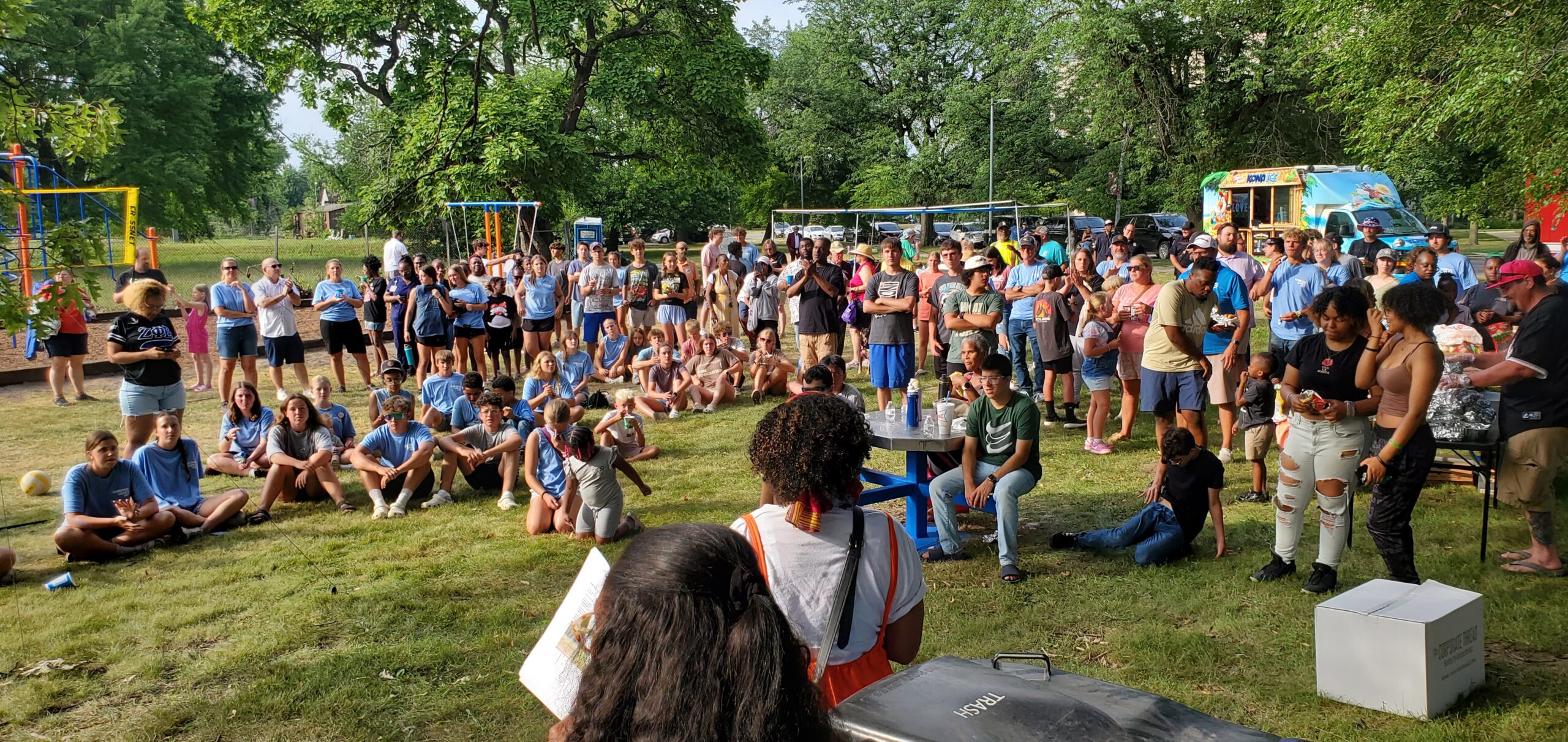
Before the partnership, there was not a downtown Boys & Girls Club location. Today, parents walk their children from nearby neighborhoods, ride the city bus, and even travel from a neighboring homeless shelter to access programming just minutes from where they live. For many families, the location itself has become part of the impact.
That accessibility gives parents the ability to work, attend appointments, or focus on personal growth while knowing their children are in a safe, encouraging environment. For Graybill, one moment captured the significance of the partnership.
“I was thinking of seeing a woman who is unhoused, who lives at a homeless shelter with her kid, actually walking her kid down to the summer program,” he said. “If this site wasn’t here, I’m not sure what she would do or what her kid would do.”
The child had access to a safe place to learn, grow, and spend the day, but the impact did not stop there. Because the Boys & Girls Club and South Bend City Church were working together in the same location, the mother also gained access to relationships, support systems, and resources within the community. What began as a shared space became a connection point for an entire family.
A Place Where Kids Can Thrive
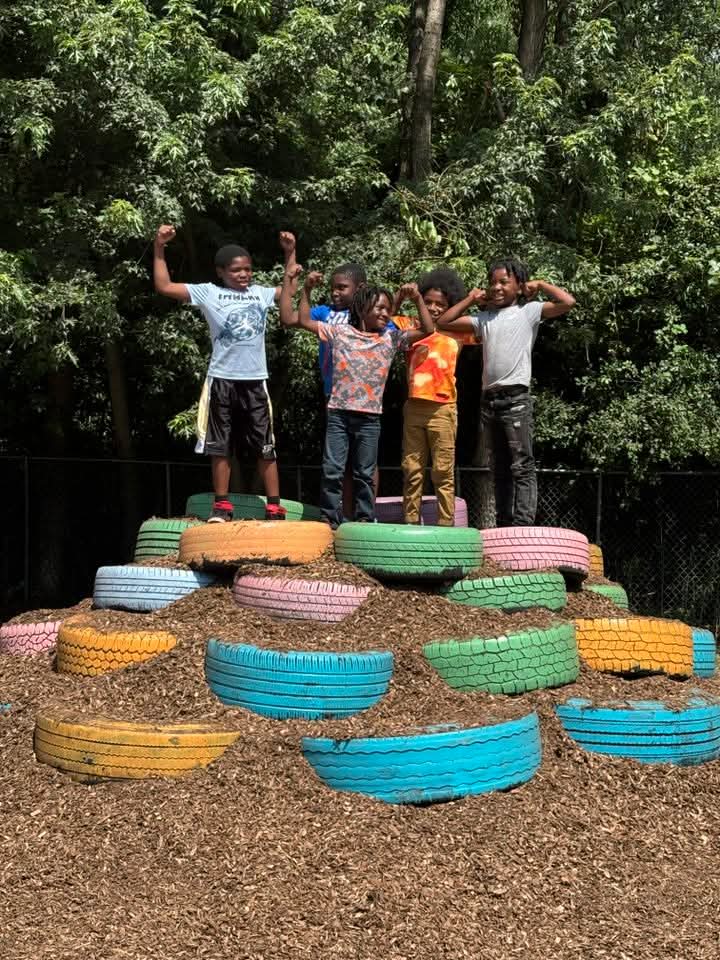
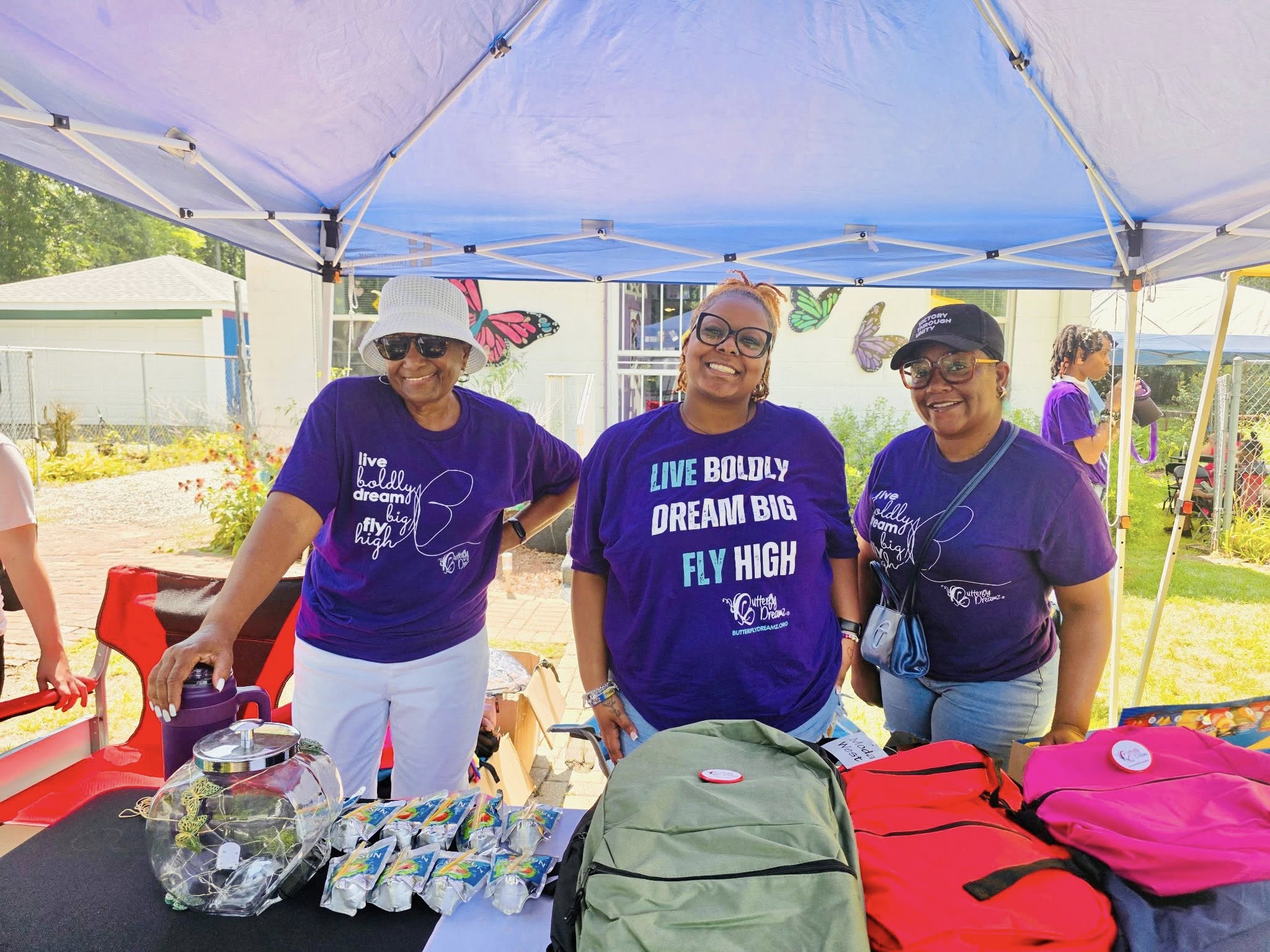
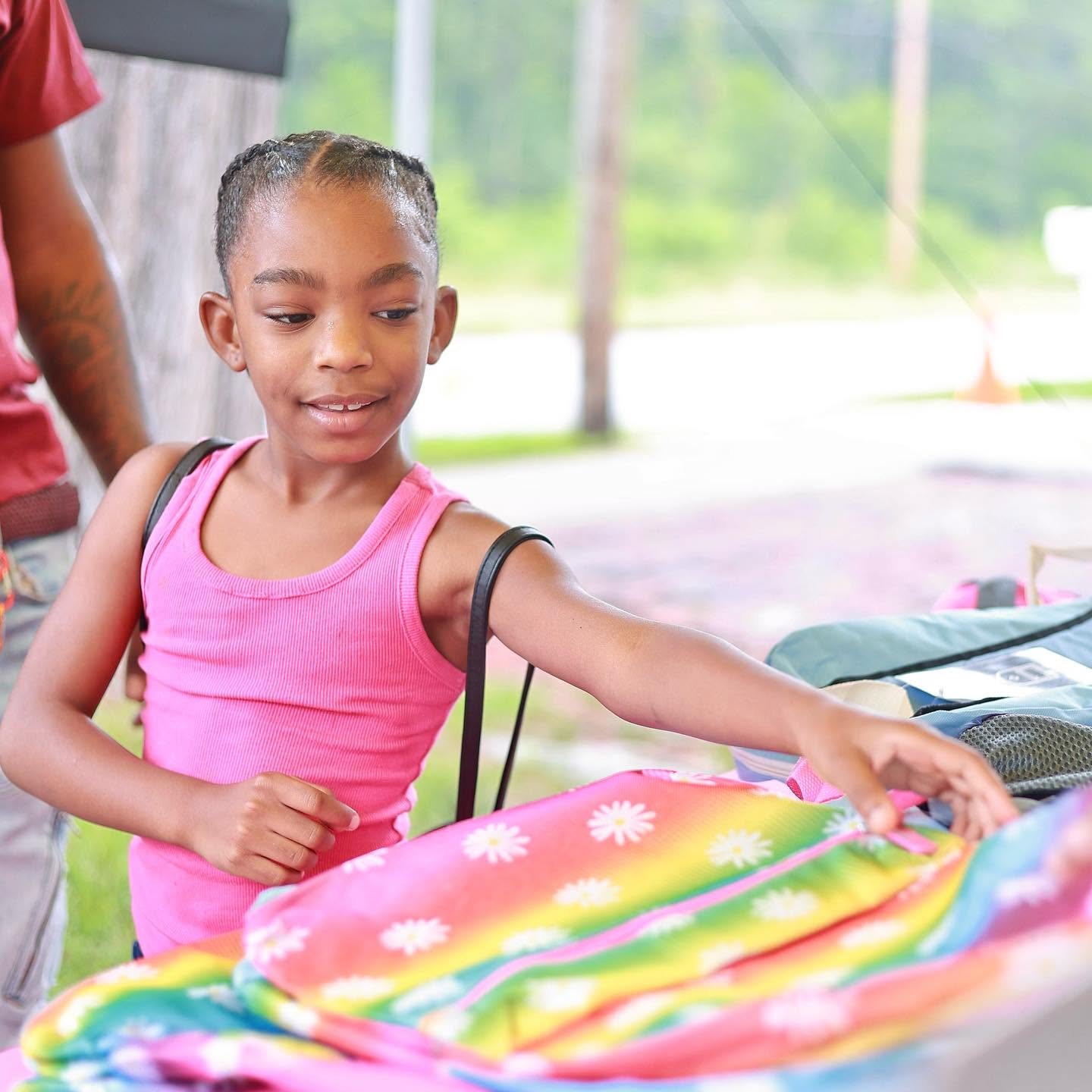
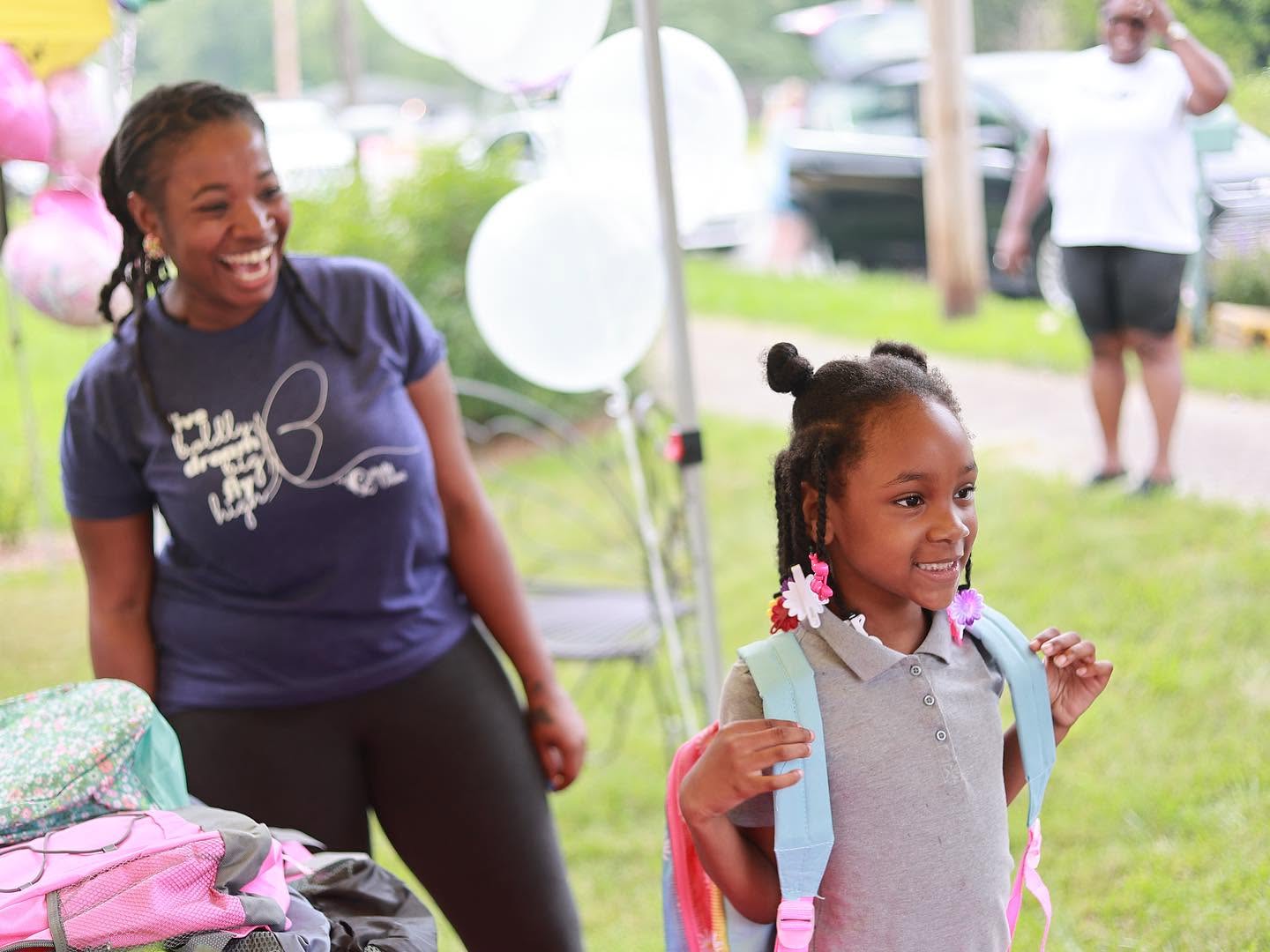
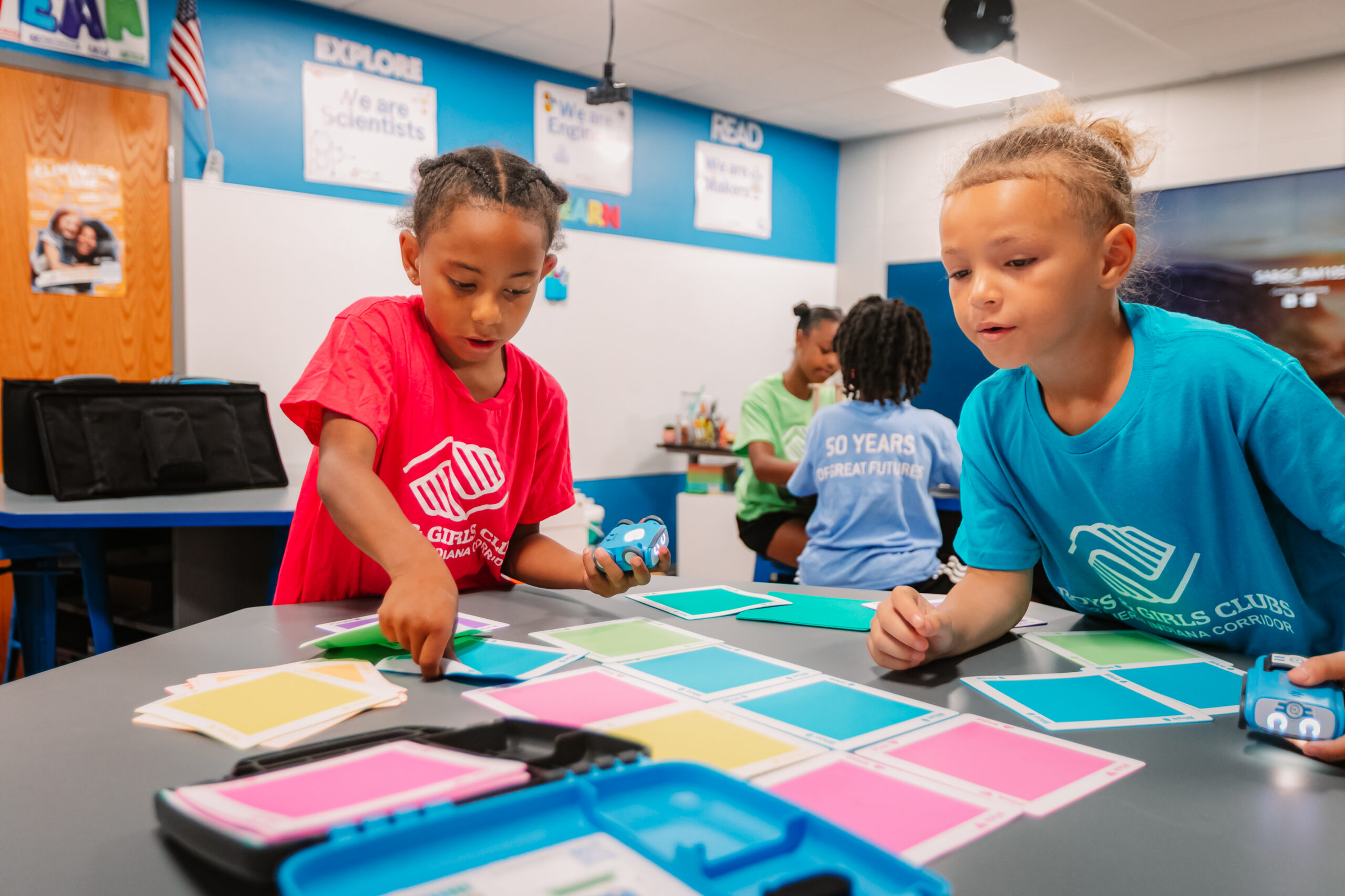
Today, South Bend City Church is home to year-round Boys & Girls Club programming that supports children academically, socially, and emotionally. During the 2024–2025 school year, the site served 112 youth from the community through STRIVE, an after-school program that combines STEM, literacy, workforce development, and emotional well-being. The program helps students stay on track in school while also building confidence and life skills in a safe, supportive environment.
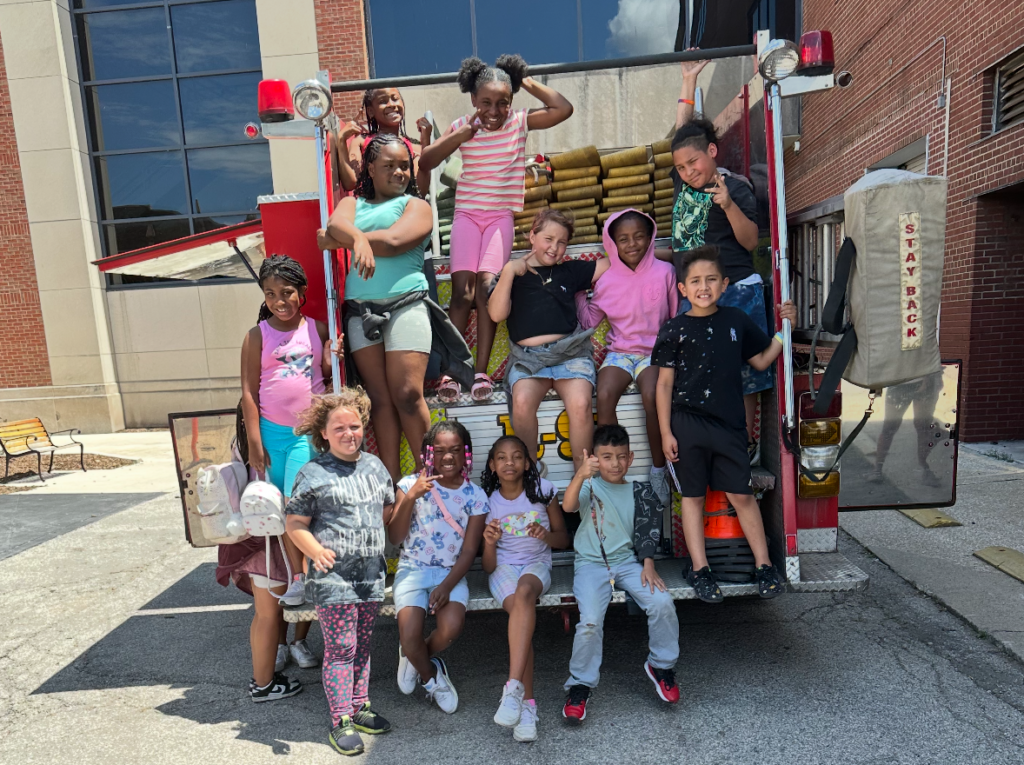
In the summer, that momentum continues through a five-week Summer Learning Lab offered at no cost to families in partnership with the Indiana Department of Education and Mind Trust. Led by certified teachers, the full-day program blends reading, math, and science instruction with social-emotional learning, field trips, and hands-on enrichment. Fifty-four youth participated in the summer program.
Students also explored coding, robotics, repair projects, and MakerSpace activities, helping spark curiosity and expand access to STEM learning. Across sites, STRIVE assessment results showed a 26% improvement in English Language Arts and a 20% increase in math from pre- to post-assessments, meaning more students were testing at grade-level proficiency.
More importantly, the partnership created a place where children could feel known, encouraged, and supported throughout the year.
Impact of the South Bend City Church + Boys & Girls Club Partnership
10+
Youth served through the STRIVE after-school program during the 2024–2025 school year.
5
Youth participated in the five-week Summer Learning Lab at no cost to families.
1%
Combined improvement in English Language Arts and Math proficiency through the STRIVE curriculum.
By opening its doors to the Boys & Girls Club, South Bend City Church helped establish the first downtown Club location, creating year-round access to academic enrichment, STEM learning, mentorship, and emotional well-being programming. The partnership has strengthened families, engaged the congregation in meaningful service, and demonstrated how churches and nonprofits can accomplish more together.
Strengthening Relationships
The impact of the partnership has extended far beyond the children who attend the Boys & Girls Club. South Bend City Church’s congregation has embraced the Club as an extension of its mission by volunteering time, teaching, donating resources, and continually finding ways to encourage children, families, and staff. As relationships have grown, some of the children and families who first entered the building through the Boys & Girls Club have also begun attending South Bend City Church, where they have been warmly welcomed by the congregation.
The partnership has also strengthened connections throughout the broader community. After Wilson shared the mission of the Boys & Girls Club during a church service, a city official approached him wanting to learn more. That conversation led to additional meetings, stronger relationships, and greater support for the organization’s work.
“Now, like never before, the city is behind many ways what we’re doing, and they’re supporting what we’re doing,” Wilson said.
For Wilson, it was another reminder of what can happen when organizations come together around a shared purpose.
“It was just a great space at the right time with the right person hearing our mission.”
What began as a partnership between a church and a nonprofit has grown into a network of relationships that continues to benefit children, families, the congregation, and the broader South Bend community.
Partnering Better
The relationship between South Bend City Church and the Boys & Girls Club existed before they received support through Congregations With Community. The support did not create the trust, shared values, or desire to serve young people and families, but it helped both organizations deepen and expand what they had already built.
Additional resources strengthened programming, enhanced student support, and allowed both organizations to invest even more intentionally in the families they serve. Wilson summarized the impact simply.
“It would have happened,” he said. “But it allowed us to partner even better.”
That distinction matters. South Bend City Church did not need to become a Boys & Girls Club, and the Boys & Girls Club did not need to become a church. Each organization brought what it already had: a welcoming space, expertise, trusted relationships, and a shared commitment to the greater good.
For Graybill, that is the lesson he hopes other congregations take from this story. Churches do not have to create every solution themselves, especially when organizations are already doing meaningful work in their communities. Sometimes the most powerful contribution a congregation can make is to share its space, its people, and its support.
Today, children have a safe place to learn, families have greater access to support, congregation members have discovered new ways to serve, and city leaders have become stronger partners. A building that might have been busy only one day a week has become a place where opportunity, connection, and community come together every day.
Sometimes community transformation does not begin with creating something new. Sometimes it begins by opening the door and inviting others in.
Interested in the impact a partnership with CWC can have on your community? Get in touch for more information.