PARTNER STORY CASE STUDY
From Answers to Agency: A New Approach to Community Leadership
BACKGROUND
Through a partnership between Crossroads Community Church and Indiana Wesleyan University, leaders across Kokomo are learning to approach leadership differently through professional coaching skills rooted in listening, agency and ownership. With support from Congregations With Community, the partnership has made coaching development accessible to pastors, ministry leaders and community professionals and created opportunities for those skills to spread throughout the communities they serve.
GRANT OBJECTIVES
- Equip Leaders with Coaching Skills
- Strengthen Listening & Relationship-Building
- Expand Access to Professional Development
- Develop Leaders Who Develop Others
- Build a Sustainable Coaching Community
The Partnership’s Story
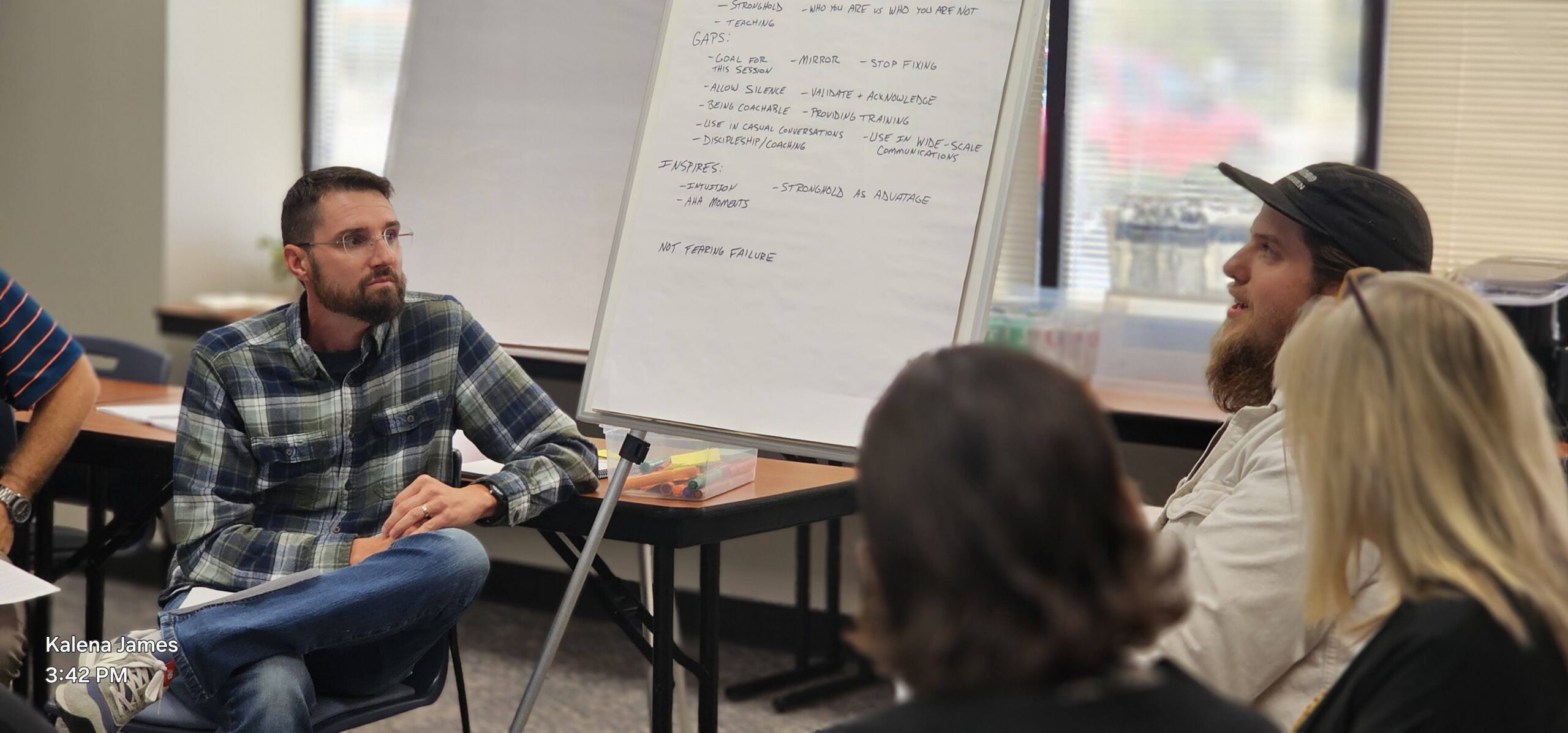
Pastors, ministry leaders and community professionals spend much of their time caring for others. People come to them with challenges, decisions and needs, often expecting guidance or an answer. Through a partnership between Crossroads Community Church and Indiana Wesleyan University (IWU), leaders in Kokomo began exploring another way to serve: not always providing the solution, but listening deeply, asking better questions and helping people recognize their own capacity to move forward.
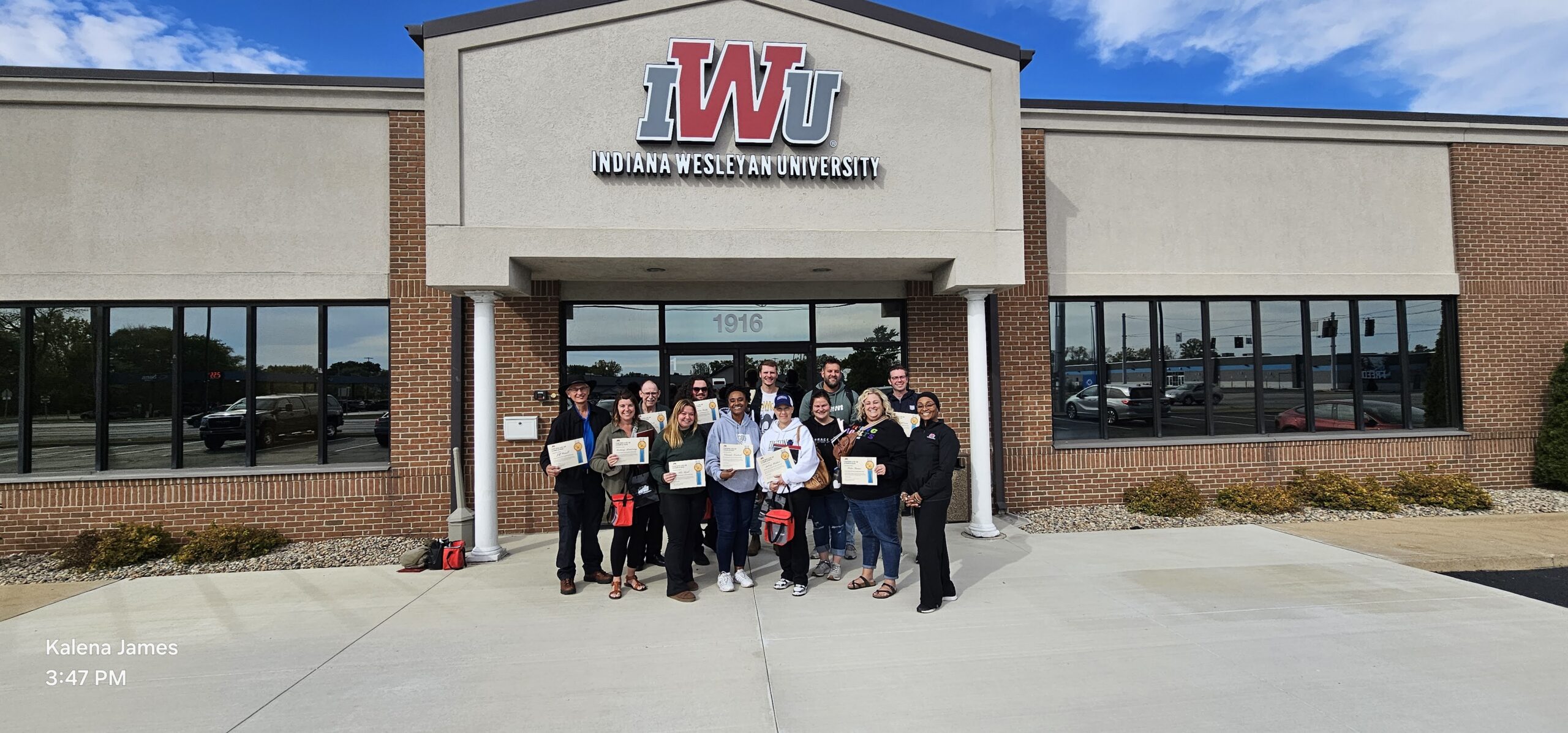
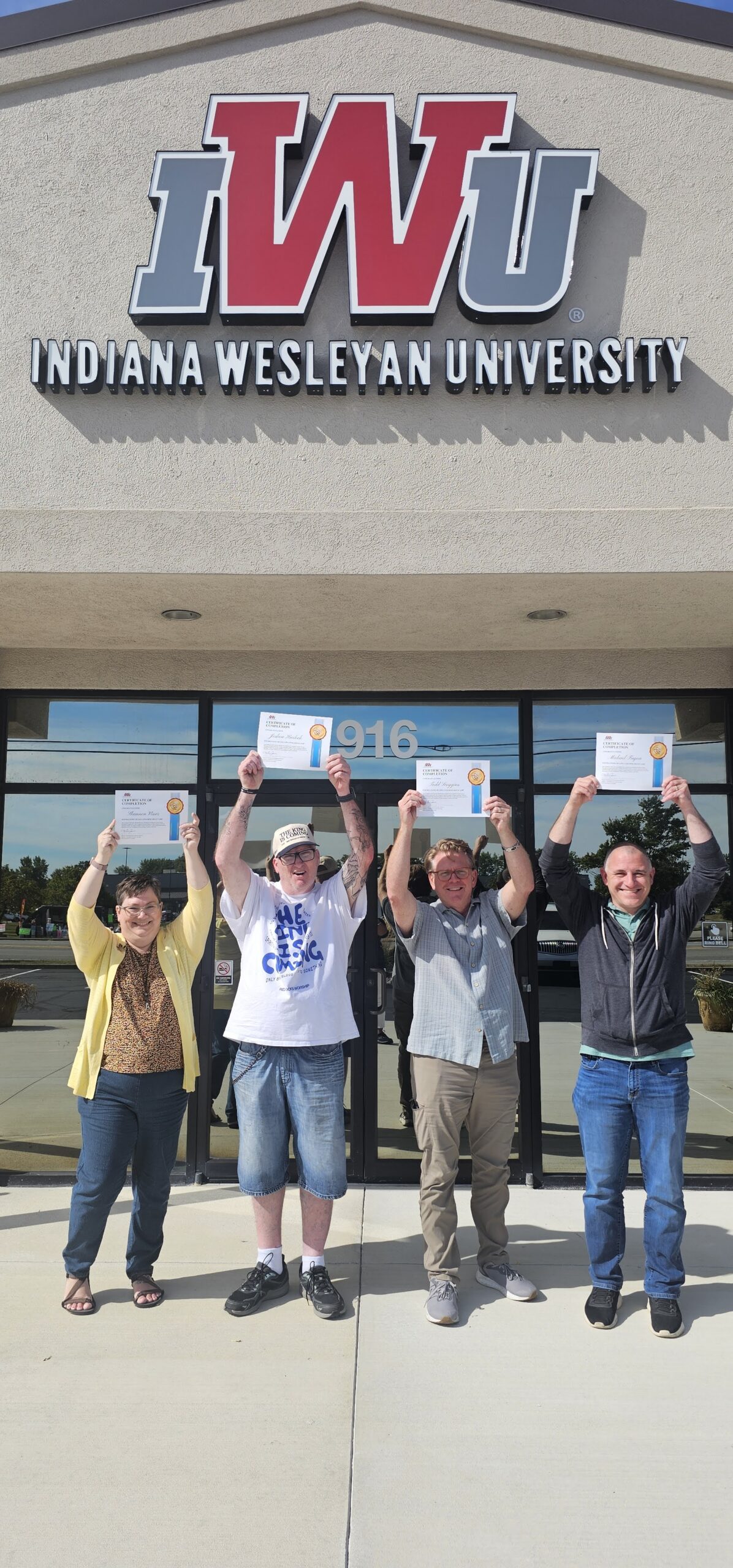
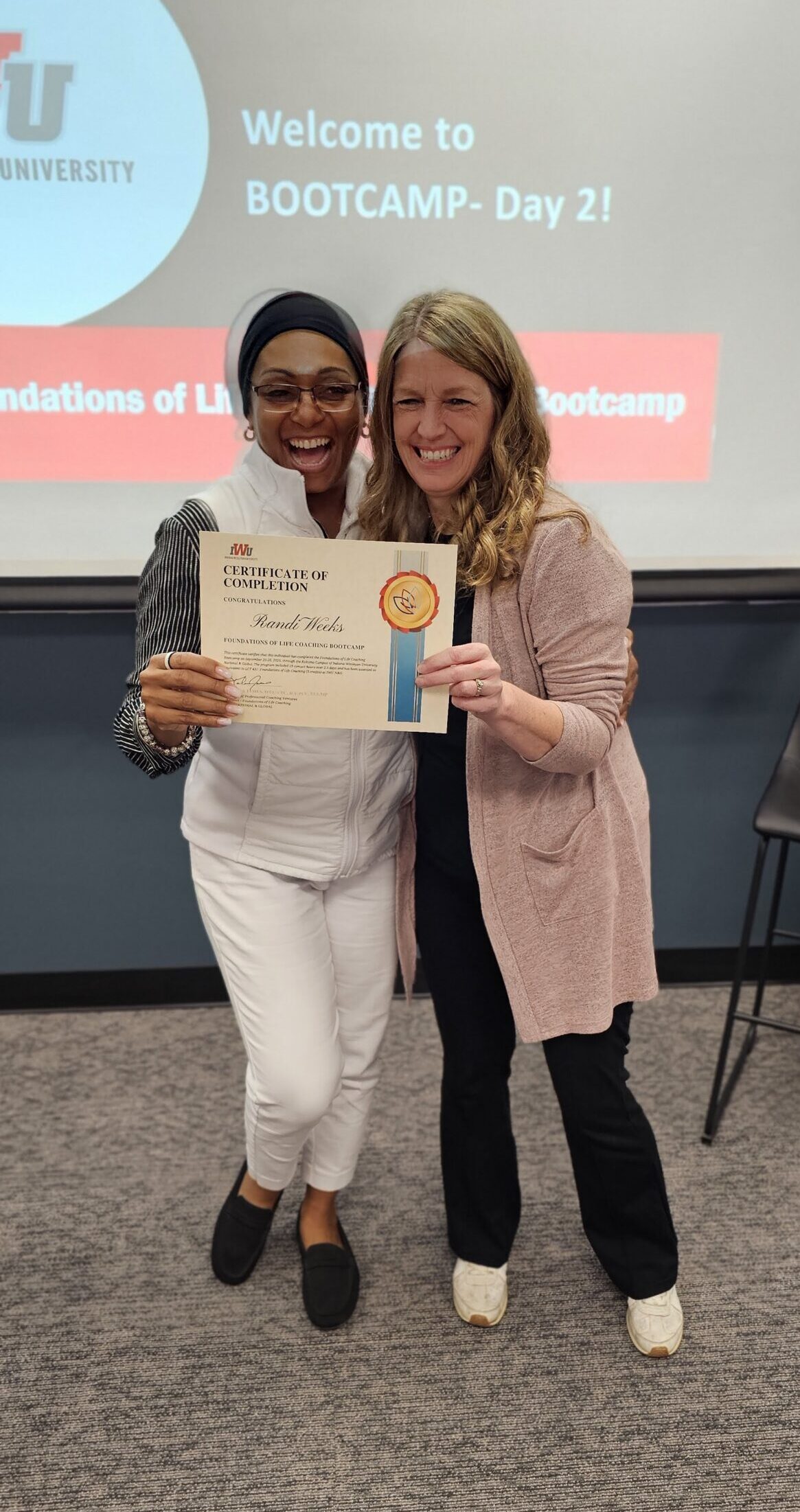
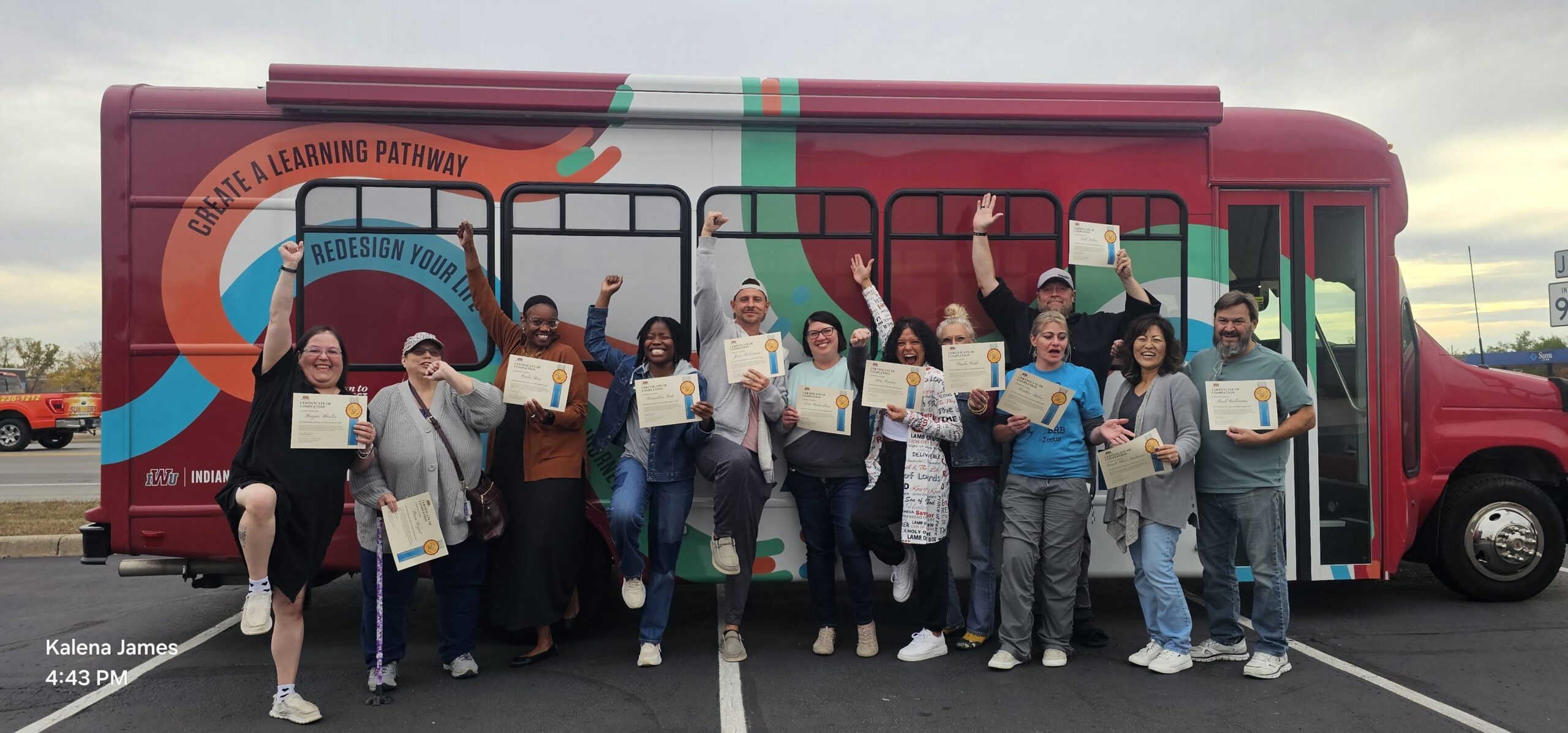
With an initial $100,000 investment from Congregations with Community (CWC), Crossroads and IWU brought the university’s Foundations of Life Coaching curriculum into a faith-based setting. The resulting bootcamps gave pastors, church leaders and community professionals practical coaching skills they could incorporate into the work they were already doing.
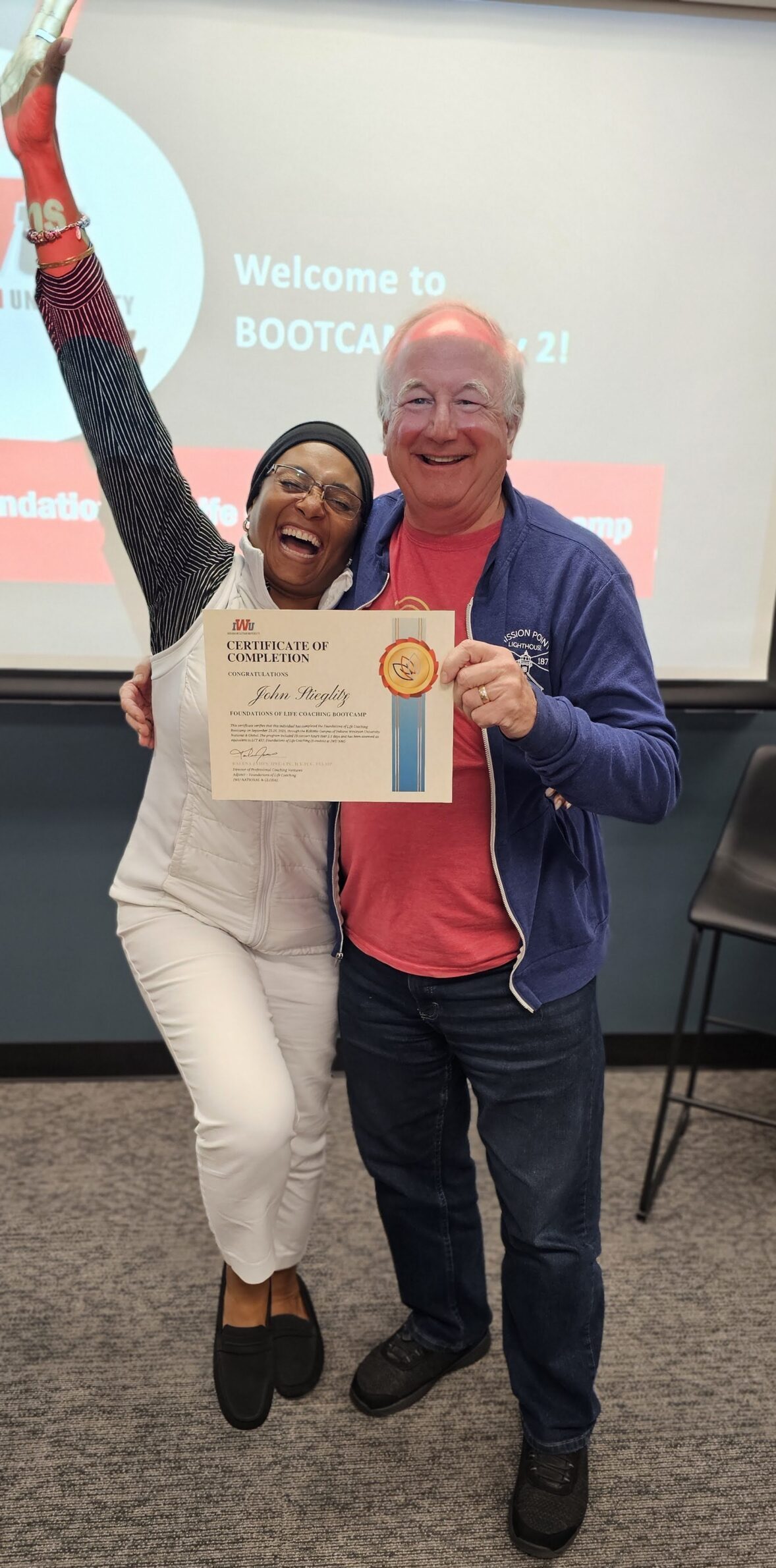
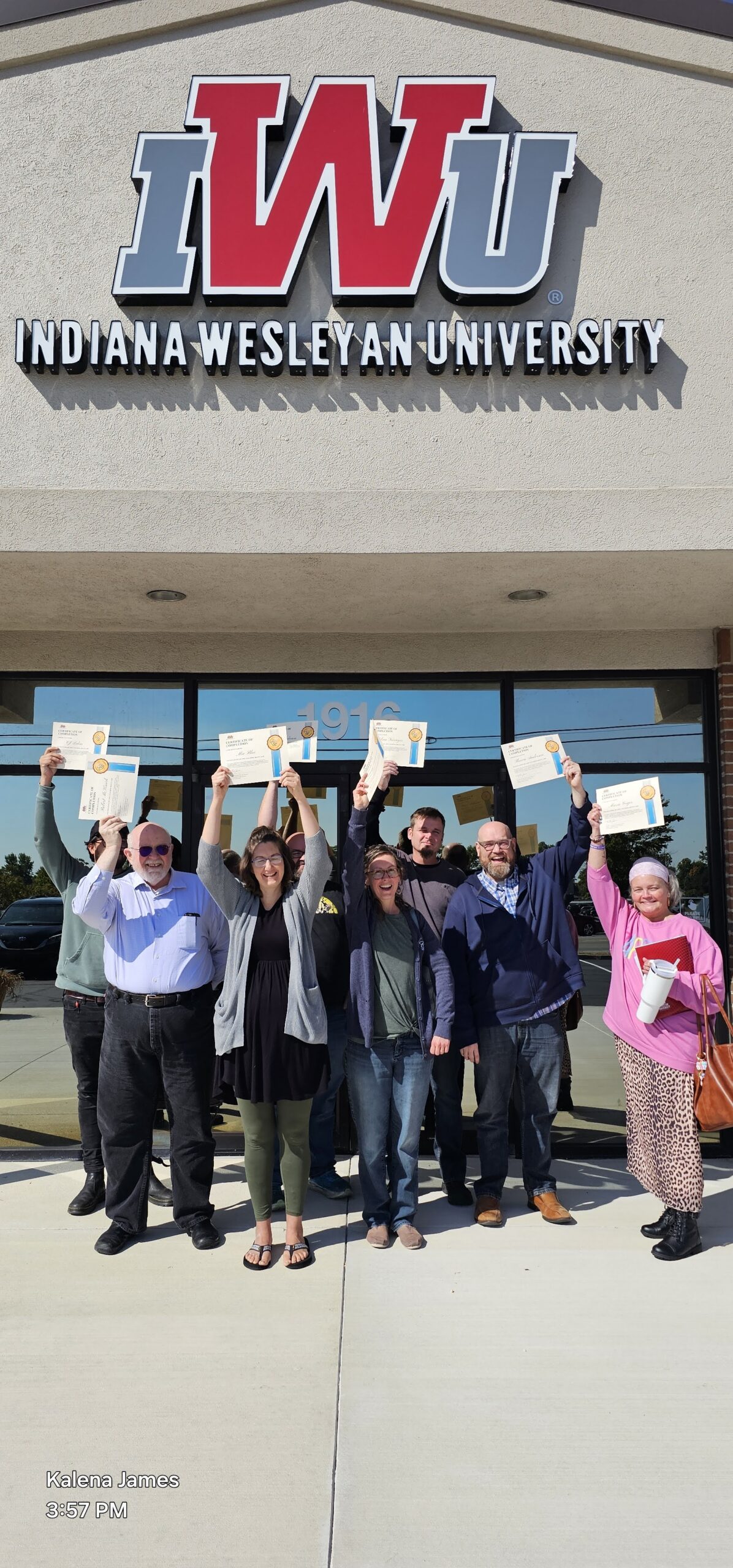
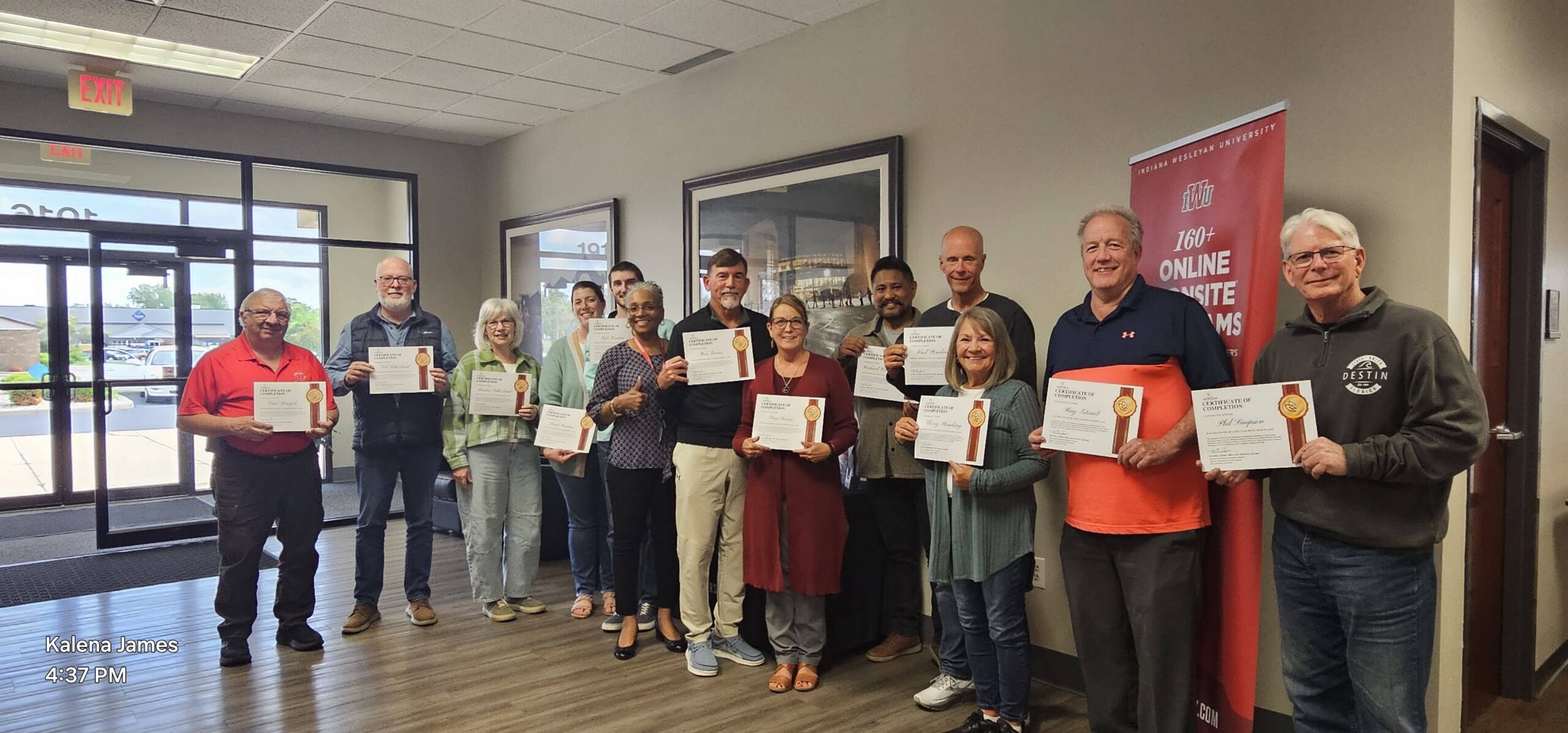
The investment has since helped more than 134 leaders complete Foundations, representing 15 congregations and community organizations. But the deeper impact is found in what those leaders do differently after they leave the room.
Learning to Listen Differently
Kalena James, Director of Professional Coaching Ventures at Indiana Wesleyan University, helped contextualize IWU’s existing coaching curriculum for Christian leaders. The partners didn’t simply add scripture to an existing course. Professional coaching skills were placed within the lived experience of Christian leadership, where listening could become an act of presence, curiosity required humility and questions could create room for reflection and discernment.
The need for that approach came from something Kalena had observed within faith communities. Churches have tremendous capacity for caring for people who are hurting, but there is often less infrastructure devoted to helping relatively healthy people grow, make decisions, develop their gifts and pursue what’s next.
As Kalena explained during the interview:
“There are a lot of grants to support people who are struggling or have a need and take care of those places, but it made a ministry opportunity for people who are healthy and vibrant to be developed, who can carry congregations and communities forward.”
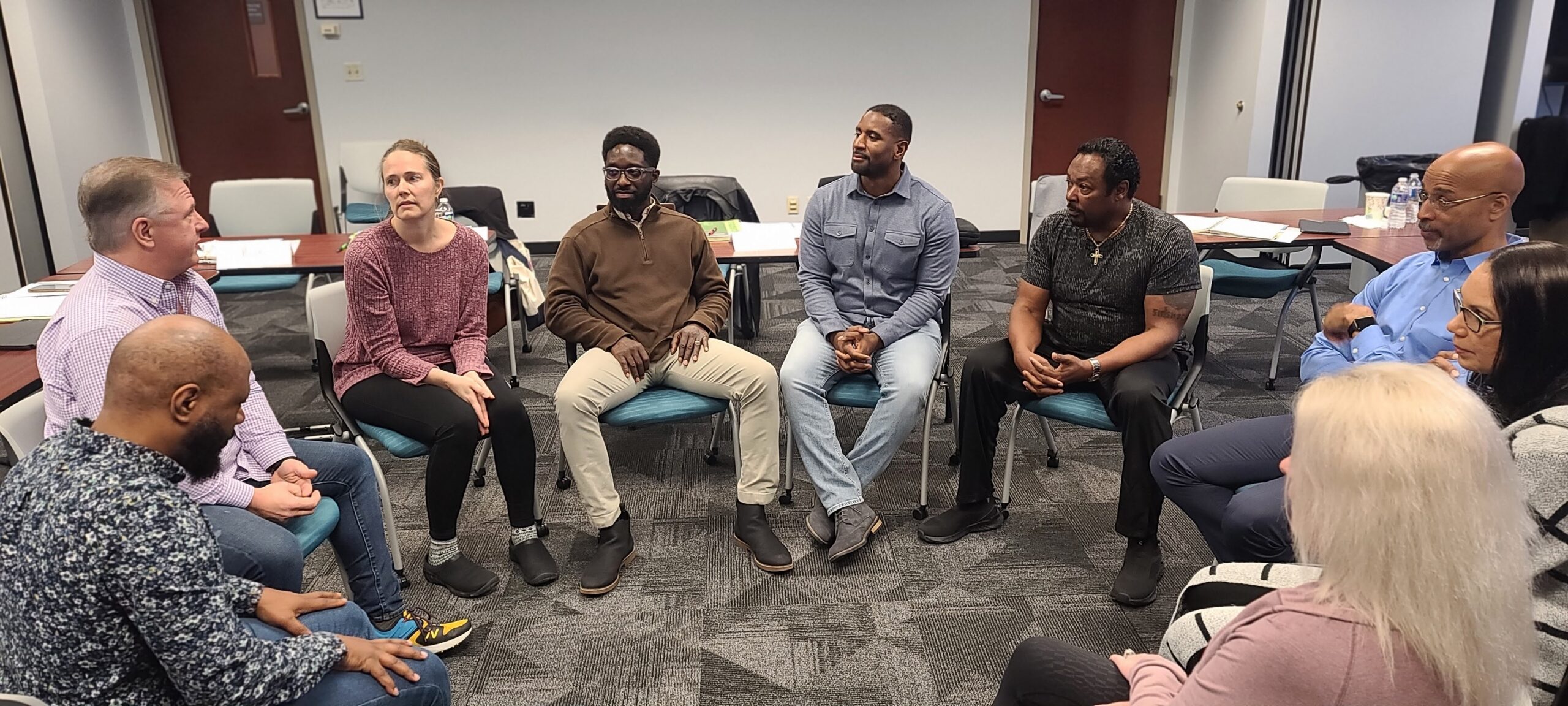
Coaching offered another tool for that work. Rather than assuming that being a leader means always having the answer, participants practiced listening with curiosity and creating space for the person in front of them to maintain ownership of their choices.
That distinction became especially meaningful for Dick Sanburn, Executive Pastor at Crossroads Community Church. Dick realized that when someone came to him with a problem, he wasn’t always listening simply to understand. He was often listening for enough information to identify the problem so he could determine what he thought they should do.
Through the training, that instinct began to change. Instead of listening for the problem he could solve, Dick began to “listen for the heart of what their issues are,” paying closer attention to the person and asking questions that could help them identify their own next step.
Jenny Lytle, a hospice nurse who also provides mentoring and one-on-one coaching to bootcamp participants, described the philosophy at the heart of that shift:
“It’s not that I’m the expert and I know what’s best for you. It’s that you have the answers, you just may need some help to find them.”
The approach doesn’t replace pastoral care, mentorship, counseling or other resources when they’re needed. Instead, it gives leaders another way to serve, one that recognizes the agency, wisdom and capacity already present in the people they encounter.
“I was coming, trying to be better for others. I did not realize I was going to have to use this lens for me.”
Developing the People Who Develop Others
CWC’s initial $100,000 investment gave faith and community leaders access to professional coaching development while creating a foundation the partners could build upon. IWU brought additional faculty expertise, professional coaching, institutional resources and in-kind support to the work, helping the investment reach more people and extend beyond the initial bootcamps.
Since then, more than 134 leaders across 10+ cohorts have completed Foundations, representing 15 congregations and community organizations. For many, that first experience has led to continued development. Twenty-eight graduates returned for the Kingdom Coaching Circle and Leadership Gathering, and 36 leaders have participated in one-on-one coaching. Altogether, more than 260 hours of professional coaching, valued at approximately $65,000, have been provided.
The goal, however, is not simply to introduce leaders to a new set of techniques. The partners want coaching principles to become part of how participants understand themselves, approach leadership and engage with the people they serve. Kalena described a realization that often emerges during the training:
“I was coming, trying to be better for others. I did not realize I was going to have to use this lens for me.”
That personal reflection can change how participants put the training into practice. As Jenny worked with leaders through mentoring and one-on-one coaching, she saw their confidence grow alongside their skills.
“There was a big shift in their confidence level and feeling equipped to be able to use the techniques that they learned with the people that they serve.”
That is why continued practice has become an important part of the initiative. Rather than treating Foundations as a one-time training, Crossroads and IWU are building opportunities for leaders to keep practicing, reflecting and growing so the principles introduced in the bootcamp can become part of how they lead over time.
Carrying Coaching Into the Community
The value of those skills becomes especially clear when leaders carry them into the relationships and organizations where they already serve.
Megan Henry, Director of the Family Self-Sufficiency Program at the Kokomo Housing Authority, experienced IWU’s coaching approach while looking for ways to become a better case manager and build stronger relationships with participants. Her program supports people living in public housing or using Section 8 vouchers as they pursue goals involving education, employment, financial literacy and homeownership.
One of Megan’s biggest changes was learning to take herself out of the center of those conversations. Instead of responding to someone’s experience by explaining how she could relate, she began listening more closely and using open-ended questions to understand what the participant wanted.
A participant may enter her office with homeownership as a goal, for example, but a deeper conversation can reveal the steps they see between where they are and where they want to be. Perhaps earning a GED could open the door to a better job, which could increase income and savings and eventually make purchasing a home more attainable. Megan isn’t determining that pathway for them. She’s creating space for the participant to make those connections and decide where they want to begin.
That philosophy has helped Megan build stronger relationships and create a safe space for people to discuss their goals and barriers while maintaining ownership of what comes next.
Her experience also demonstrates how coaching skills can travel. After sharing what she had learned at a national Family Self-Sufficiency conference, Megan heard from coordinators around the country who wanted access to similar training. She subsequently worked with Kalena and IWU to develop coaching training specifically for FSS professionals. That separate initiative has now reached 49 housing authority professionals representing 23 housing authorities across 11 states.
While those FSS cohorts are separate from the CWC-funded Faith-Based Leadership Bootcamps, their growth illustrates the broader possibility behind investing in people who are already embedded in their communities: a skill given to one leader can influence many more people through the relationships they already have.
IMPACT AT A GLANCE
100+ Leaders
Completed Foundations of Life Coaching through the faith-based leadership initiative.
01 Organizations
Congregations and community organizations represented among participants.
100+ Coaching Hours
Professional coaching hours have been provided, with an estimated value of approximately $65,000.
CWC’s investment created access to professional coaching development for leaders across Kokomo’s congregations and community organizations. The impact continues beyond the initial training, as leaders deepen their skills and carry a coaching approach rooted in listening, agency and ownership back into the communities they serve.
Turning a Starting Point Into Lasting Growth
Crossroads and IWU don’t want the initial training to be the end of the experience. The first CWC investment established access, introduced the coaching model and gave leaders an opportunity to begin practicing a different way of serving. An additional $50,000 CWC investment is now helping the partners move beyond introductory training toward continued coaching, practice and community through the developing Shepherd’s Heart Coaching Journey.
The next phase is also being designed to help the investment stretch further. Rather than relying indefinitely on grant funding to cover the full cost of participation, IWU is exploring a model that combines scholarship support with participant investment. The intent is to keep the experience accessible while creating a pathway that can remain sustainable after the grant dollars are gone.
Kalena described the CWC funding as a seed opportunity, one that could make professional development accessible now while helping establish something capable of continuing later. As she explained, the partners don’t want the work to be “one and done.” They want the grant dollars to become “a launching pad for us to continue to move forward.”
That desire to make the investment go further reflects the coaching philosophy itself. The goal isn’t to create dependence on someone else’s answers or resources. It’s to recognize existing capacity, provide meaningful support and create opportunities for people to continue developing from there.
For Crossroads and IWU, that starts with leaders learning to listen differently. As those leaders carry the practice into their congregations, organizations, families and communities, the reach of the original investment has the potential to extend far beyond the people who first walked into a bootcamp.